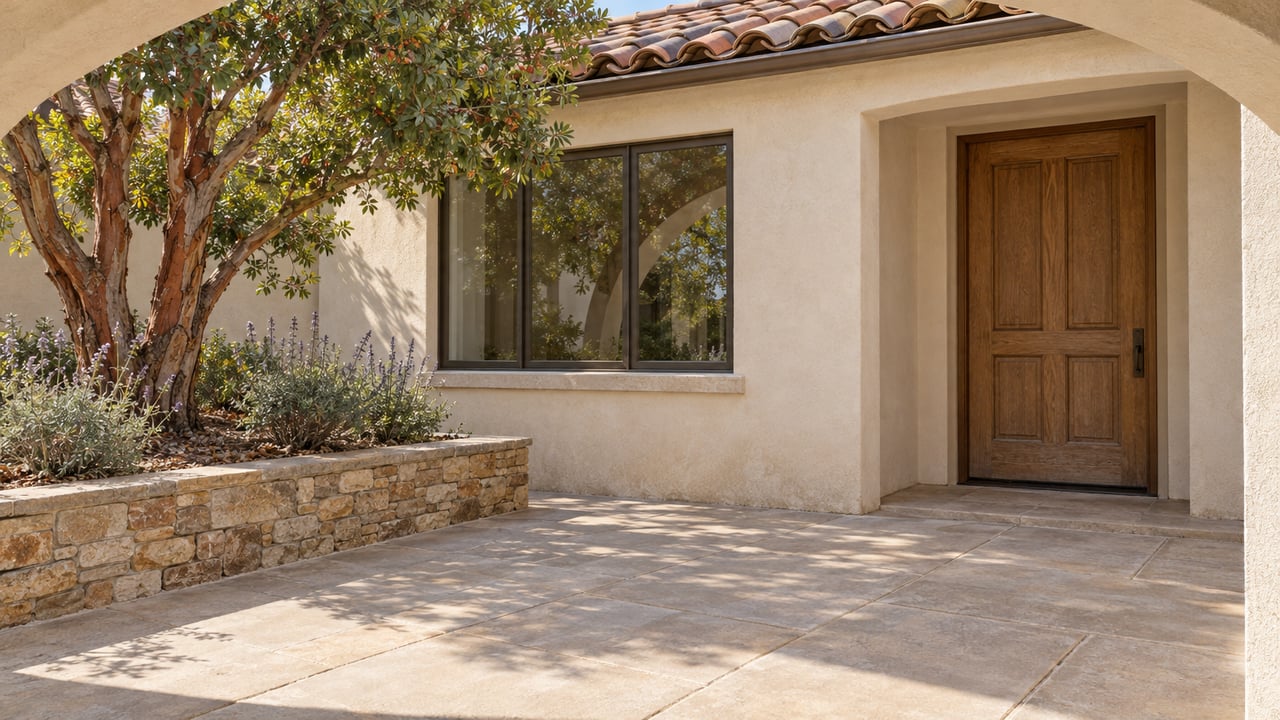
Lincoln's Carnegie Library Is Becoming a Clay Arts Center
November 5, 2026
November 5, 2026
"The reason for the 20-year term is because to get legacy donors or multi-year funding, having a short-term lease makes that almost impossible to do," Dave Riccatello, chair of the Lincoln Clay Arts Center, told the Lincoln City Council, as reported by the Sacramento Bee. The council agreed. In October 2026 it voted 5-0 to approve that 20-year lease for the 1909 Carnegie Library at 590 Fifth St., which has stood largely unused since the downtown library closed in 2011.
The rent is $1 a year, and in return the nonprofit must offer a minimum number of classes and a minimum number of hours of public access. It has to report on its activities every year, and the city can end the agreement if problems go uncorrected for 90 days after notice. For 150 years, most of Lincoln's clay has been in pieces you look at, like the plaza fountain and the terra cotta on public buildings. This lease commits a downtown building, by contract, to letting residents work with clay themselves.
The library already belongs to the town's clay story. A Gold Country Media history of Gladding, McBean lists the Carnegie Library among the Lincoln buildings that "carry the factory stamp," along with City Hall, McBean Park Pavilion and the baseball stadium. The Sacramento Bee also tied the building to the company, describing the library as a landmark connected to Lincoln's educational history and its clay industry.
According to the Bee, the nonprofit's plans include ceramics classes for beginners and experienced potters, workshops, open-studio access, artist studios, exhibits, educational programs and community events. The Lincoln Clay Arts Center's own description gives the layout: six artist workspaces, shared studio equipment and kilns, and a lower-level classroom for up to ten students. The center plans to pay for operations through classes, studio agreements, memberships, workshops, fundraising, grants and donations.
The lease protects both sides. The city keeps ownership of the building, and the agreement includes two five-year extension options. Under the terms, the city will not unreasonably withhold an extension if the center meets its performance requirements. A review of utility costs begins in the third year. Riccatello also told the council that the agreement could help start a cultural arts endowment to support the Clay Arts Center, the Art League and the Archive Museum.
The long-term lease takes effect once the building is approved for legal occupancy. A shorter lease approved earlier lets the nonprofit make improvements in the meantime. The center's September 2026 project update lays out the sequence:
The center's stated goal is to open in early 2027. That date depends on finishing the renovation, installing equipment and securing startup funding, and fundraising for startup costs is still underway.
The library sits among the places that explain why a clay center belongs in Lincoln. Here are the stops, in the order you would reach them heading east from Fifth Street:
| Stop | Address | What the clay connection is |
|---|---|---|
| Beermann Plaza fountain | 640 5th St. | A Gladding, McBean ceramic fountain, said to stand at the exact center of Lincoln; a stylized version became the city's logo |
| Carnegie Library | 590 Fifth St. | Built in 1909 and carrying the factory stamp; future home of the Lincoln Clay Arts Center |
| Art League of Lincoln, 6th Street Gallery | 580 6th St. | Home of the Feats of Clay national ceramics exhibit |
| Lincoln City Hall | 600 6th St. | Another building carrying the factory stamp |
| Gladding, McBean | 601 7th St. | The working plant where it all started |
The last stop explains all the others. The Gold Country Media history recounts how a chance discovery of high-quality clay in Lincoln led Charles Gladding, Peter McGill McBean and George Chambers to invest $12,000. The kilns began firing on May 1, 1875, and the first product was vitrified sewer pipe for California's first building boom. Gladding, McBean's own history dates the company's founding to May 12, 1874. In time the Lincoln plant added roof tile, garden pottery, Art Deco statuary and the architectural terra cotta now found on the Wrigley Building in Chicago and the Opera House in San Francisco.
The plant is still an industrial operation, not a drop-in attraction. The company's website has a plant tour request form, and it describes its garden pottery as made to order. That is part of why the library matters. Lincoln has a 150-year-old clay maker and a gallery that shows clay. The Carnegie Library will add the step in between, where a resident can sit at a wheel.
The Art League's Feats of Clay numbers suggest the new studios will open to an audience that is already there. The show came back in 2024 as a regional revival with 187 entries from 69 artists. In 2025 it went national and drew 337 entries from 124 artists. In 2026 it reached 389 entries from 147 artists. Across the two national years, exhibitors came from 35 states, and 11 of those states were new in 2026. In two years the entry count roughly doubled.
The next round is already underway. The call for artists for Feats of Clay 2027 opened Sept. 15, 2026, and runs through March 14, 2027. If the Clay Arts Center opens on its early 2027 target, Lincoln could have a working ceramics studio a block from a national ceramics exhibit by the time that show is hung.
Until the kilns arrive, the 6th Street Gallery and the plaza are where downtown's clay calendar happens. Here is what is scheduled for the rest of the year:
For a stop with no clay on the schedule, the Lincoln Area Archives Museum, one of the three organizations Riccatello named as possible beneficiaries of an arts endowment, lists hours of Thursday through Saturday, 11 a.m. to 3 p.m.
The library's windows and trim were repainted this summer, and the interior work is scheduled to wrap up by the end of December. When you're downtown in November and December, 590 Fifth St. is the building to keep an eye on. Under its lease, the Lincoln Clay Arts Center will owe Lincoln a set number of classes and public hours once it opens.
Lincoln's clay history is part of what makes downtown feel like home, and HRA Realty Group enjoys following how places like the Carnegie Library find new uses. If you're weighing how a project like this fits into your own plans for owning in Lincoln, Contact Us and we'll talk it through.
Stay up to date on the latest real estate trends.
At HRA Realty Group, we're committed to delivering a seamless, results-driven real estate experience. Whether you're buying your first home or selling a luxury property in Granite Bay and the surrounding communities, our local expertise, strategic marketing, and skilled negotiation help you achieve your goals.

HRA REALTY GROUP
(916) 801-2352
[email protected]
Houghtby, Heather Melissa | CA DRE# 02445803
HRA Realty Group, Inc. | CA DRE# 02448832
8445 Sierra College Blvd Ste D Granite Bay, CA 95746